CACAO+
Cooperative Development Organisation
Implementing Partners and Organisations
Ministry of Environment/Ministerio del Ambiente (MINAM)
Ministry of Production/Ministerio de la Producción (PRODUCE)
AGROBANCO
Peruvian Association of Cacao Producers (APPCACAO)
Women's Committee of the National Confederation of Cooperatives of Peru (COFENACOOP )
Network of Women Cacao Producers
Center for Conservation, Research, and Management of Natural Areas (CIMA)
Period of Implementation
Geographic scope
Americas: Peru
Cities: Departments of Amazonas, Cajamarca, and San Martín
Budget
Donor(s)
Bilateral Aid: Global Affairs Canada
Sector(s)
Type of Activity
Summary
The Project aims to improve the climate resilience of 6,000 cacao producers (70% of whom are women) and their families, particularly indigenous people in the departments of Amazonas, Cajamarca, and San Martín.
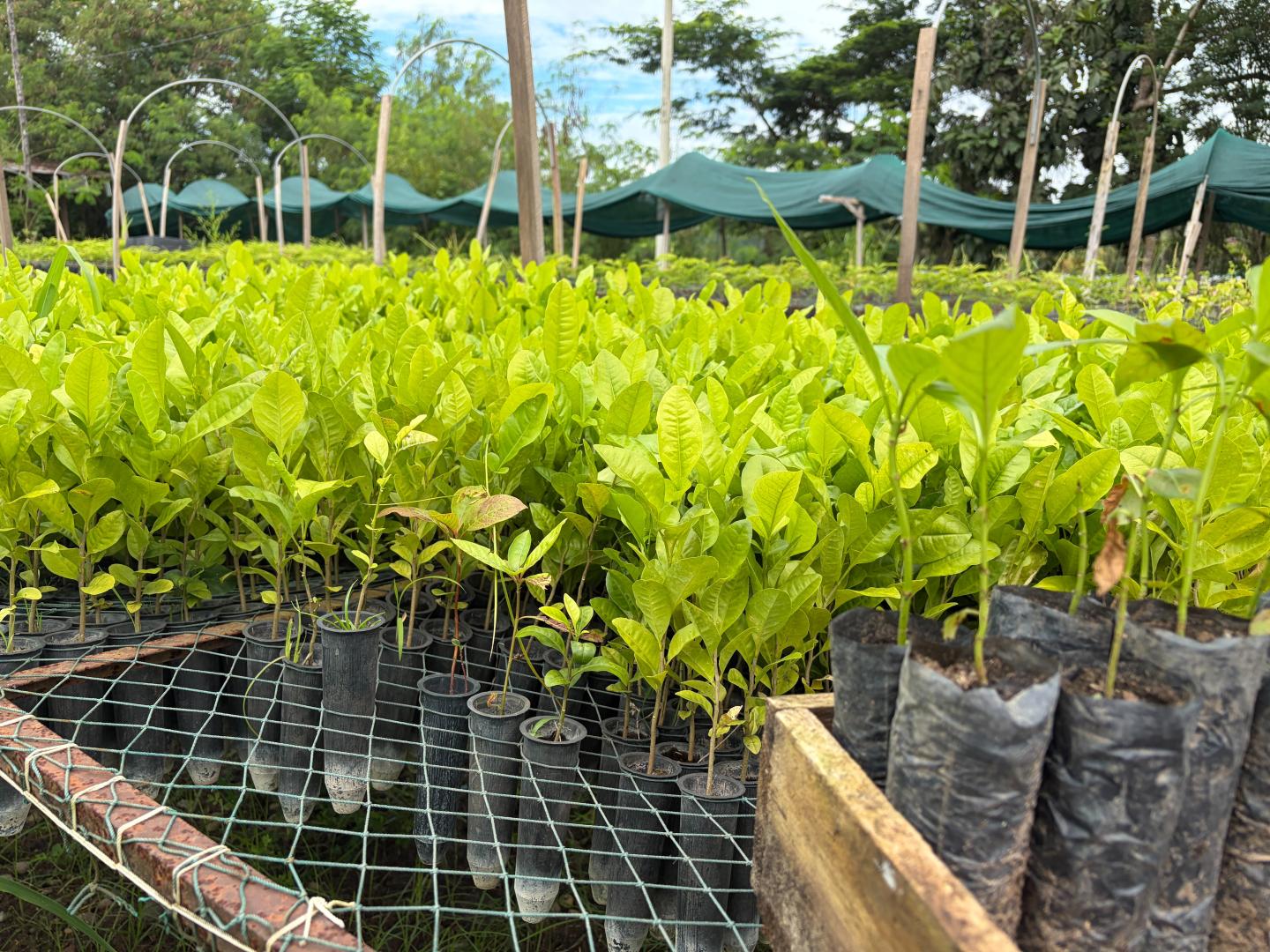
The Project will support the adoption of climate-smart, nature-based cacao farming solutions (NBCS) that support forest biodiversity, by enhancing the knowledge and capacities of value chain stakeholders, particularly members of associations and cooperatives, to develop diversified agroforestry systems, following a "zero deforestation" approach contributing to forest landscape restoration.
The performance of associations and cooperatives will also be improved by strengthening their capacities to offer climate-smart and biodiversity-friendly post-harvest products and services that meet the specific needs and interests of women, particularly indigenous women, and by developing promising economic strategies that comply with "zero deforestation" standards, which will increase the added value of production and incomes.
The increased incomes will help improve the living conditions of at least 30,000 people from vulnerable families and communities supported by the Project. The achievement and sustainability of these results will be supported by improving the business environment for women cacao producers and their families, particularly indigenous people, by focusing on strengthening their agency, i.e. their power to act and influence strategic decisions within the value chain, as well as by strengthening the capacities of duty bearers and stakeholders to support their rights and specific interests in the face of climate challenges and forest biodiversity loss.
Project Objectives
- Increased climatic resilience of small-scale cacao producers and their families, particularly women and indigenous populations, in forested landscapes in the departments of Amazonas, Cajamarca and San Martin
- Increased adoption of climate smart nature-based cacao farming solutions (NBCS) that support forest biodiversity by small-scale cacao producers and their families, particularly women and indigenous populations.
- Improved performance of cacao associations and cooperatives (associations/coops) in support of small-scale producers and their families, particularly women and indigenous populations.
- Sustainably improved business environment for small-scale cacao producers and their families, particularly women and indigenous populations.
Website
Impact on SDGs
Main Indicators
Women's Empowerment Index (IEM)
Increase in volume by cooperatives and unions
Number of women entrepreneurs who have increased their revenuesActions implemented by key stakeholders to support adaptation to CC of women entrepreneurs and smallholder women farmers
Impact Measurement
Direct beneficiaries
Organisations: 4000
Individuals: 6000