RERESA (Renforcement de la résilience des systèmes alimentaires) dans le cadre du P2RSA
Cooperative Development Organisation
Implementing Partners and Organisations
Period of Implementation
Geographic scope
Africa: Chad
Cities: Mayo-Lémié, Mont Illi, Mayo-Boneye and Kabbia departments, in Mayo-Kebbi Est Province.
Budget
Donor(s)
Multilateral Aid: World Food Programme (WFP)
Sector(s)
Type of Activity
Summary
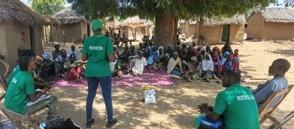
The RERESA project aims to strengthen the resilience of the most vulnerable households in Mayo-Kebbi Est, Chad, by improving access to, availability, stability and use of highly nutritious complementary foods for children aged 6 to 23 months, while also consolidating the livelihoods of poor households. Implemented by SOCODEVI with support from the World Food Programme, the project combines agricultural resilience interventions, nutrition, agro-processing, functional literacy, women’s economic empowerment and organizational development. As of 31 May 2026, achievements include the development of 40 hectares of agricultural sites, production of 2,250 m³ of compost, distribution of 106,334 seedlings, completion of 240 literacy sessions, financial support to 150 female learners for income-generating activities, continued construction of two new fortified flour production units, and nutrition awareness activities reaching a large number of people. The project is therefore contributing to the sustainable strengthening of nutrition-sensitive agricultural and food systems in the province.
Project Objectives
The project’s overall objective is to strengthen the resilience of the most vulnerable households by improving access to, availability, stability and use of highly nutritious complementary foods. Its intermediate objectives are to sustainably improve the incomes of the poorest households through stronger nutrition-sensitive agricultural and food systems, improve the nutritional status of children aged 6 to 23 months and pregnant and breastfeeding women, and reinforce institutional, community and governance capacities to support the sustainability of results.
Website
Impact on SDGs
Impact Measurement
PerformCoop
ImpactCoop
Direct beneficiaries
Individuals: 165617