ProAgri – Smallholder Agriculture Market Support (SAMS)
Cooperative Development Organisation
Implementing Partners and Organisations
Period of Implementation
Geographic scope
Africa: Chad
Cities: Provinces of Sila, Lac, Wadi Fira, Ouaddaï, and Logone Oriental
Budget
Donor(s)
Multilateral Aid: World Food Programme (WFP)
Others: private cocoa and chocolate companies
Sector(s)
Type of Activity
Summary
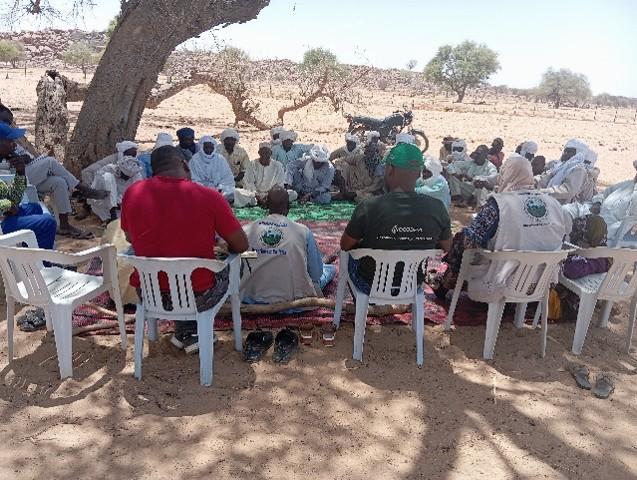
The ProAgri – Smallholder Agriculture Market Support (SAMS) component aims to sustainably strengthen food security, economic resilience, and social cohesion in five provinces of Chad by fostering the economic integration of refugees, internally displaced persons, and host communities. Implemented by Socodevi with support from the World Food Programme (WFP), the project supports the structuring and professionalization of 240 agricultural cooperatives, the development of six local innovation platforms, access to markets and financing, and the promotion of inclusive entrepreneurship. Cross-cutting attention is given to gender equality, youth inclusion, and the prevention of social tensions.
Project Objectives
The project seeks to increase the resilience of vulnerable populations—refugees, internally displaced persons, and host communities—through inclusive, economically viable, and socially cohesive food systems. Its intermediate objectives are to build structured and inclusive producer organizations, improve access to markets, financing and economic services for cooperatives and their members, and strengthen social cohesion through inclusive multi-stakeholder governance and collaboration between host and refugee communities.
Website
Impact on SDGs
Main Indicators
Impact Measurement
Direct beneficiaries
Organisations: 240