TRASOL
Cooperative Development Organisation
Implementing Partners and Organisations
Guatemala : CENTRACAP, ATRAHDOM, ASOGEN, CNMC, CONAVIGUA
Honduras: CONAMUCOOPH, RTD
Period of Implementation
Geographic scope
Americas: Guatemala, Honduras
Cities:
Guatemala : departments of Sacatepéquez, Guatemala, Chimaltenango et Alta Verapaz
Honduras: departments of Francisco Morazán and of Intibuca
Budget
Donor(s)
Bilateral Aid: Global Affairs Canada (GAC) and WeEffect
Sector(s)
Type of Activity
Summary
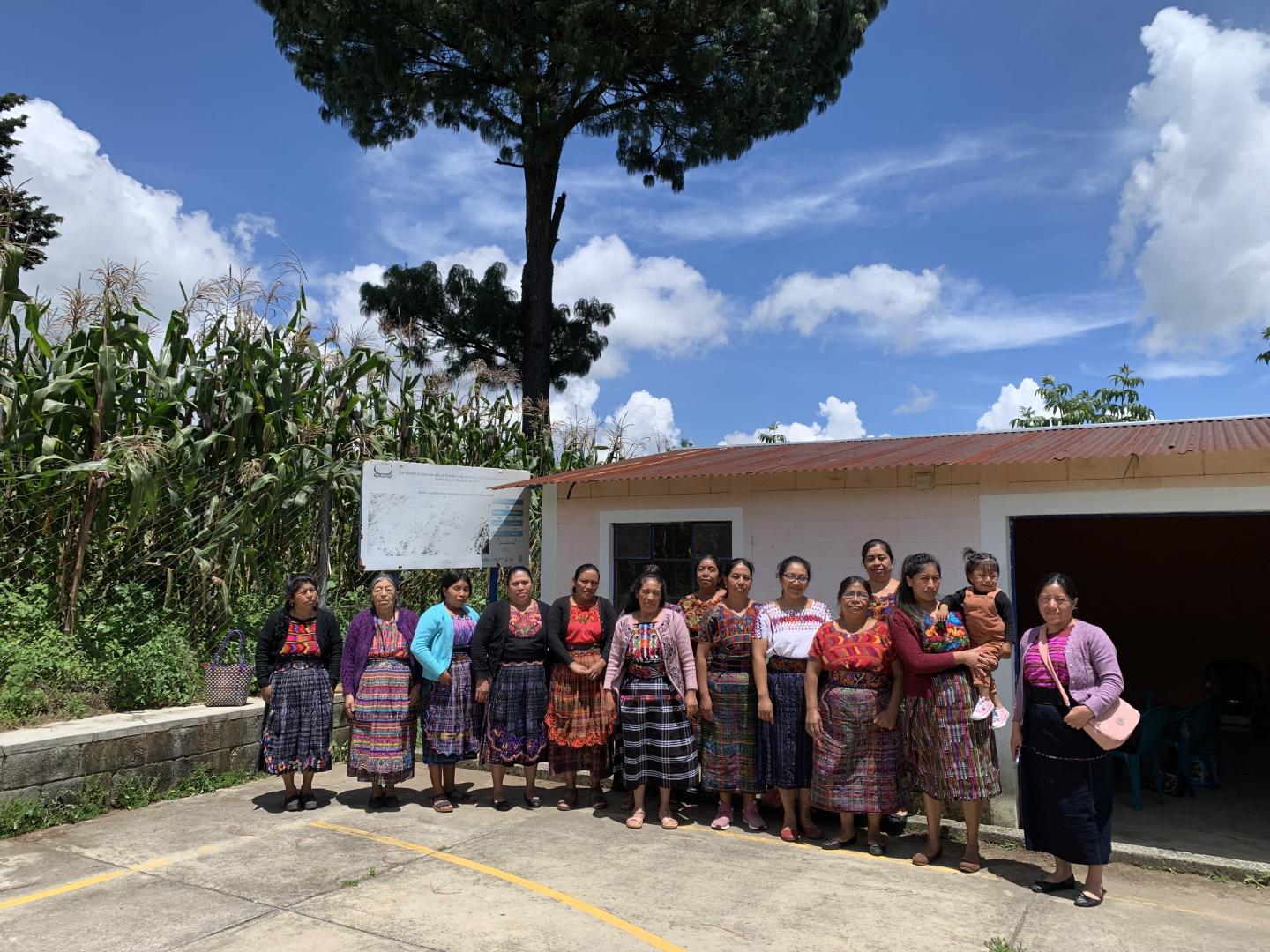
TRASOL is an innovative project designed to improve the socioeconomic empowerment of 4,500 women and 1,250 girls involved in paid care work in Guatemala and Honduras. Using the cooperative model, the project supports domestic and care workers—especially Indigenous women—through partnerships with women’s organizations, worker associations, and community groups focused on gender equality and women’s rights.
The project aims to strengthen care cooperatives and collective enterprises that will connect workers with clients while providing professional training, formal contracts, protection from violence, and access to social benefits. TRASOL also works to reduce the lack of autonomy and free time faced by women and girls, enabling greater participation in economic, educational, and community life.
In addition, TRASOL promotes advocacy and awareness around the rights and realities of paid care workers at the local, national, and regional levels. By placing women at the center of decision-making and cooperative leadership, the project seeks to create lasting improvements in working conditions, economic independence, and gender equality in both countries.
Project Objectives
- Enhancing the socioeconomic empowerment of women and girls engaged in paid care work in Guatemala and Honduras
- Increased participation of women and girls in economic, educational, political, community, and recreational activities of their choice
- Increased capacity of care cooperatives/collective enterprises (C/CE) to support the economic empowerment of their members and allies (M/A)
- Increased protection and promotion of the rights and needs of women and girls in the context of paid care work
Website
Impact on SDGs
Main Indicators
Percentage of women and adolescents who feel they can freely participate in activities that promote their personal, professional, and economic development
Number of women, men, and adolescents (W/M/A) who benefit from or participate in project activities
Percentage of paid domestic workers (women and adolescents) who believe that care cooperatives/collective enterprises improve working conditions
Number of products and services developed with and for paid care workers within care cooperatives/collective enterprises
Number of care policies, laws, regulatory frameworks, and action plans that take into account gender-specific issues and other factors of inequality (ethnicity, etc.)
Number of advocacy actions that contribute to improving working conditions and/or the recognition of care work
Impact Measurement
Multidimensional Poverty Index (MPI)
Direct beneficiaries
Individuals: 5750
Local stakeholders
Two (2) WOs and WROs in Honduras.
Two cooperatives or collective enterprises will be established, one in each country.
Local tourism industry
Local private sector