AGSAMA KAPE
Cooperative Development Organisation
Implementing Partners and Organisations
Cooperative Development Authority
Period of Implementation
Geographic scope
Asia-Pacific: Philippines
Cities: Cordillera Administrative Region (CAR): provinces of Benguet, Ifugao, Kalinga and Mt. Province, and Cagayan Valley: province of Nueva Vizcaya
Budget
Donor(s)
Bilateral Aid: Global Affairs Canada
Sector(s)
Type of Activity
Summary
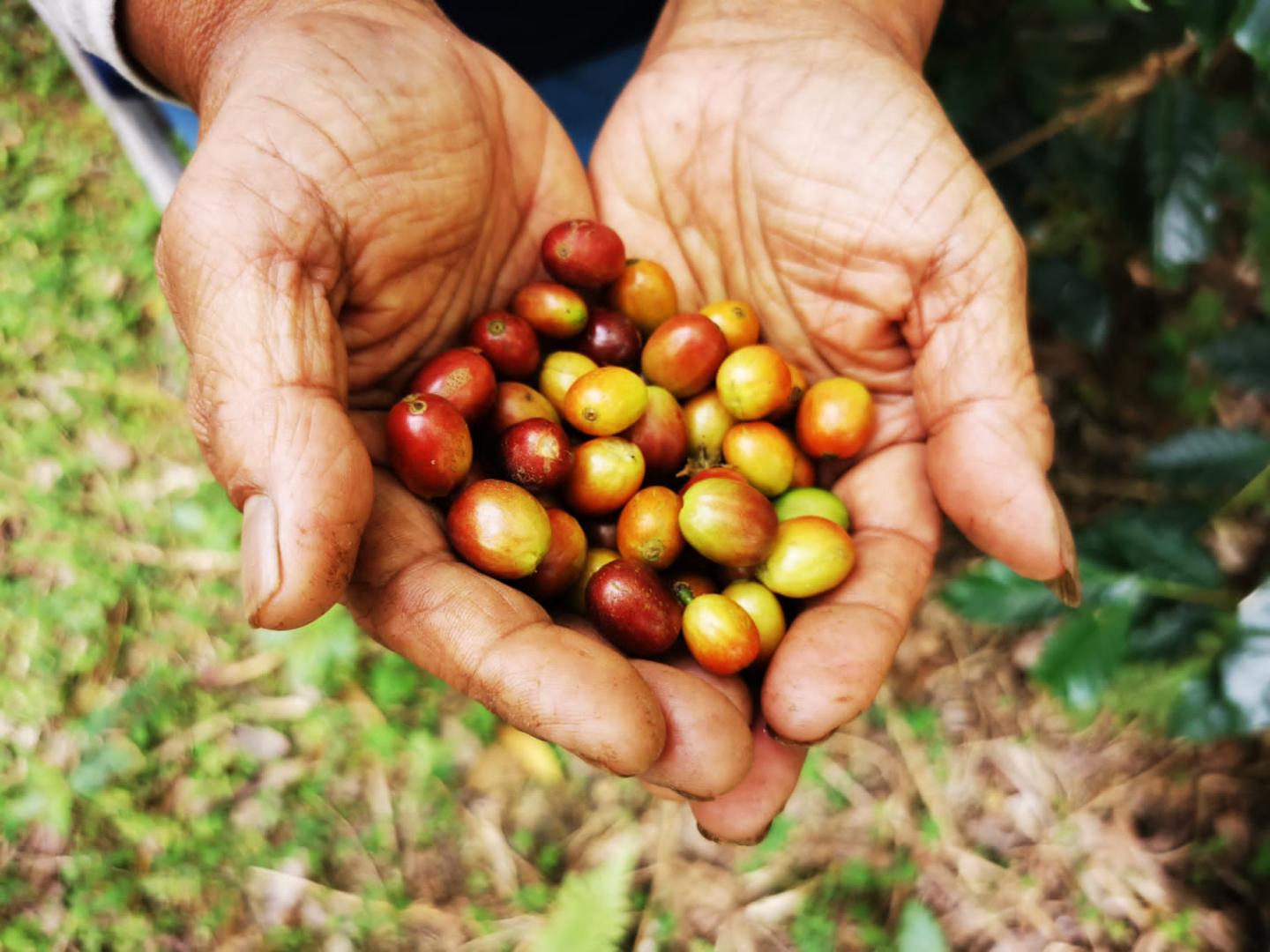
The AGSAMA KAPE project is a six-year initiative (2024–2030) implemented in the Philippines by Socodevi, in partnership with the Department of Agriculture (DA), aimed at improving climate change adaptation for Indigenous women coffee producers (IWCP) and their families. The project is supported by Global Affairs Canada and engages a wide range of institutional stakeholders, including CDA, DENR, DTI, NCIP, PCW, local cooperatives, universities, local government units (LGUs), and community leaders. It operates in five provinces of the Cordillera and Cagayan Valley regions: Benguet, Mt. Province, Ifugao, Kalinga, and Nueva Vizcaya.
The project targets 4,000 IWCPs, with a focus on 2,800 producers adopting climate-smart practices across 1,000 hectares, and aims to reach 20,000 direct beneficiaries and 150,000 indirect beneficiaries. It supports the strengthening of five cooperative clusters, improves access to financial services, agricultural insurance, and green financing, and promotes inclusive governance and women’s leadership.
Key activities include the promotion of climate-smart agroforestry systems (NBCFS), the regeneration of aging coffee plots, support to local nurseries and training centers, technical and financial training, and post-harvest value addition such as roasting, grading, and cupping. The project also addresses gender-based inequalities through leadership development, positive masculinity campaigns, and the reduction, redistribution, and recognition (3R) of women’s unpaid care work.
Implementation is grounded in a participatory and inclusive approach, using Socodevi’s PerformCoop and ImpactCoop tools, and is closely aligned with Philippine national policies and climate action frameworks. The ultimate expected outcome is increased climate resilience and empowerment of Indigenous women and their families, through stronger cooperatives, improved productivity, equitable economic opportunities, and the preservation of forest biodiversity.
Project Objectives
- Increased climate change adaptation (CCA) for indigenous women involved in the coffee value chain and their vulnerable families in Cordillera and Nueva Vizcaya, Philippines.
- Increased adoption of Climate-Smart Nature-Based Coffee Farming Solutions (NBCFS) that support forest biodiversity for the benefit of indigenous women coffee producers (IWCP) and their families.
- Increased performance of associations/cooperatives, particularly clusters, in sustainably supporting climate change adaptation for indigenous women involved in the coffee value chain (CVC) and their families, respecting forest biodiversity
- Increased effective participation of diverse groups of indigenous women in decision-making processes at various levels related to climate change adaptation (CCA) and forest biodiversity conservation.
Website
Impact on SDGs
Main Indicators
- Number and % of direct beneficiaries who report having reduced their level of vulnerability to climate change
- Area (ha) of coffee plantation using improved climate-smart NBCFS
- Number of individuals having access to improved climate change-related products and services from assos/coops
- Number of clusters supported in the development of post-harvest services and high value-added commercial strategies
Impact Measurement
Direct beneficiaries
Organisations: 6800
Individuals: 20000
Local stakeholders
• Coffee Associations and Cooperatives (Assos/Coops)
• Provincial Coffee Clusters
• State Universities and Colleges
• Indigenous Leaders and Community Representatives
• Agricultural Officers and Local Technical Staff
• Local NGOs and Civil Society Organizations